Overcoming Barriers: Integrating Artificial Intelligence into Legacy Systems

Overcoming Barriers: Integrating Artificial Intelligence into Legacy Systems


The adoption of artificial intelligence (AI) technologies is reshaping the technological landscape, offering unprecedented opportunities to enhance operational efficiency and effectiveness. However, integrating these technologies into legacy systems and architectures presents a unique set of challenges and requires carefully planned strategies.

Assessment and Planning

Before implementing AI solutions, it is crucial to conduct a thorough assessment of the legacy architectures. This includes understanding existing limitations and capabilities to identify areas where AI could provide significant improvements.

Compatibility and Adaptation

One of the greatest challenges is ensuring that the new AI solutions are compatible with existing technologies. This often involves developing customized interfaces or modifying AI systems so they can effectively communicate with old infrastructures.

Minimizing Operational Disruption

The integration of AI should be planned and executed in a way that minimizes disruption to daily operations. This may require phased implementations, where AI components are gradually introduced to ensure each step is seamlessly integrated before proceeding to the next.

Training and Support

Training staff on how to interact with and manage the new AI technologies is essential. Ongoing support and training help ensure that end-users can fully leverage the capabilities of AI.

Monitoring and Continuous Evaluation

After integration, it is important to monitor the performance of AI solutions and continuously assess their impact on business processes. This allows for timely adjustments and ensures that the integration is beneficial in the long term.

Conclusion

Integrating AI into legacy architectures is not just a technical issue, but a strategic transformation that requires careful planning and meticulous execution. Through thoughtful and customized approaches, organizations can overcome inherent challenges and maximize the benefits of AI technologies.


The Evolution of the Developer in the Age of Artificial Intelligence: Flexibility over Specialization

The Evolution of the Developer in the Age of Artificial Intelligence: Flexibility over Specialization

In the world of software development, specialization in specific programming languages has traditionally been highly valued. However, with the rapid advancement of artificial intelligence (AI), this approach is being reconsidered. Today, deep understanding of problems and the ability to adapt and learn quickly are taking centre stage.

Adaptability versus Specialization

The AI era has brought us to a tipping point where it is not strictly necessary for programmers to be specialists in a single programming language. Tools like GitHub Copilot, based on advanced AI models like OpenAI Codex, offer code suggestions and efficiently autocomplete functions in multiple programming languages. These tools allow developers to focus more on what they need to achieve and less on how to code each specific part.

Understanding the Task: The New Approach

In this context, the most valuable skill for a programmer is no longer memorizing syntax or mastering a framework in detail, but deeply understanding the problem to be solved. The ability to break down a complex problem into manageable parts and clearly define system requirements are essential skills in this new era. AI can assist in the technical implementation, but the vision and conceptualization of the problem remain uniquely human.

AI as a Support Tool

Using artificial intelligence does not mean eliminating the role of the developer but enhancing it. AI acts as an intelligent collaborator that can take on part of the coding load, allowing developers to focus on more strategic aspects of software development such as system architecture, user experience, and innovation in functionalities.

Preparing for the Future

For programmers and companies, this means that adaptability and continuous learning are more crucial than ever. Developers must be willing to learn new tools and approaches as they emerge, keeping an open and flexible mindset. Companies, in turn, must foster an environment that values adaptability and constant learning over specialization in a technical niche.

Conclusion

The integration of artificial intelligence in software development is redefining what it means to be a developer. It’s not about knowing everything about a language or tool, but about deeply understanding problems and knowing how to use technology, including AI, to solve them effectively. Flexibility and problem understanding are now the key skills that define today’s technology professionals.

Integrating Artificial Intelligence into Solutions: The Role of the Solutions Architect

Integrating Artificial Intelligence into Solutions: The Role of the Solutions Architect

Artificial Intelligence (AI) has emerged as a powerful technology that is transforming the way organizations address challenges and seize opportunities. From process automation to advanced data analysis, AI offers unprecedented potential to drive innovation and growth across all sectors. For solutions architects, the ability to effectively integrate AI into proposed solutions is essential to stay ahead in an increasingly digital world.

Understanding the Client’s Challenges:

Before starting to incorporate AI into a proposed solution, it is crucial to understand the specific challenges the client faces. A solutions architect must conduct a thorough assessment of the client’s needs and objectives, identifying areas where AI can have a significant impact. This involves closely collaborating with stakeholders and performing a detailed analysis of the available data.

Identifying Appropriate Use Cases:

Once the client’s challenges are understood, the solutions architect must identify appropriate use cases for AI. This involves determining which tasks or processes can be improved or automated using AI techniques such as machine learning or natural language processing. By selecting the right use cases, the solutions architect can ensure that AI adds real value to the proposed solution.

Assessing Technical Feasibility:

Before implementing an AI solution, it is essential to assess its technical feasibility. The solutions architect must consider factors such as the availability and quality of data, the computational power required, and existing technical constraints. This assessment will help ensure that the AI solution can be effectively implemented and seamlessly integrated with existing systems.

Collaboration with AI Experts:

Successful integration of AI into a proposed solution requires close collaboration with AI experts. The solutions architect must work together with data scientists, AI engineers, and other specialized professionals to design and implement the solution. This collaboration will ensure the optimal use of AI algorithms and techniques, as well as the correct implementation of the necessary models and systems.

Ensuring Ethics and Transparency:

AI raises important ethical and transparency considerations. As a solutions architect, it is crucial to address these aspects in AI integration. This involves ensuring that the data used is ethically sourced, protecting user privacy, and ensuring that AI models are fair and unbiased. Additionally, it is important to provide clear and understandable explanations of how AI systems are used in the proposed solution.

Continuous Monitoring and Improvement:

The integration of AI into a solution does not end with its initial implementation. A solutions architect must continuously monitor and evaluate the performance of the AI solution, making adjustments and improvements as necessary. This involves overseeing the accuracy and quality of AI results, as well as addressing any issues or limitations that may arise over time.

Conclusion:

The effective integration of Artificial Intelligence into proposed solutions is an invaluable skill for solutions architects in today’s digital age. By understanding the client’s challenges, identifying appropriate use cases, assessing technical feasibility, collaborating with AI experts, ensuring ethics and transparency, and continuously monitoring and improving, solutions architects can harness the full potential of AI to deliver innovative and value-added solutions to their clients. In doing so, they can drive the success of both their clients and their own professional careers in an increasingly AI-driven world.

JUSTMENUAPP – Application for managing menus and cards via mobile.

JUSTMENUAPP – Application for managing menus and cards via mobile.

Justmenuapp is an application developed in SpringBoot/Java with a MySQL database in the Back-end and Angular with the Gradus theme by Emil Verdiyev in the Front-end.

The visual templates were designed by Sergio Prieto.

It uses the Stripe platform for payments. This application has been deployed on Azure. The MVC (Model – View – Controller) pattern is used both in the backend and the frontend.

For UML analysis, the StartUml tool has been used.

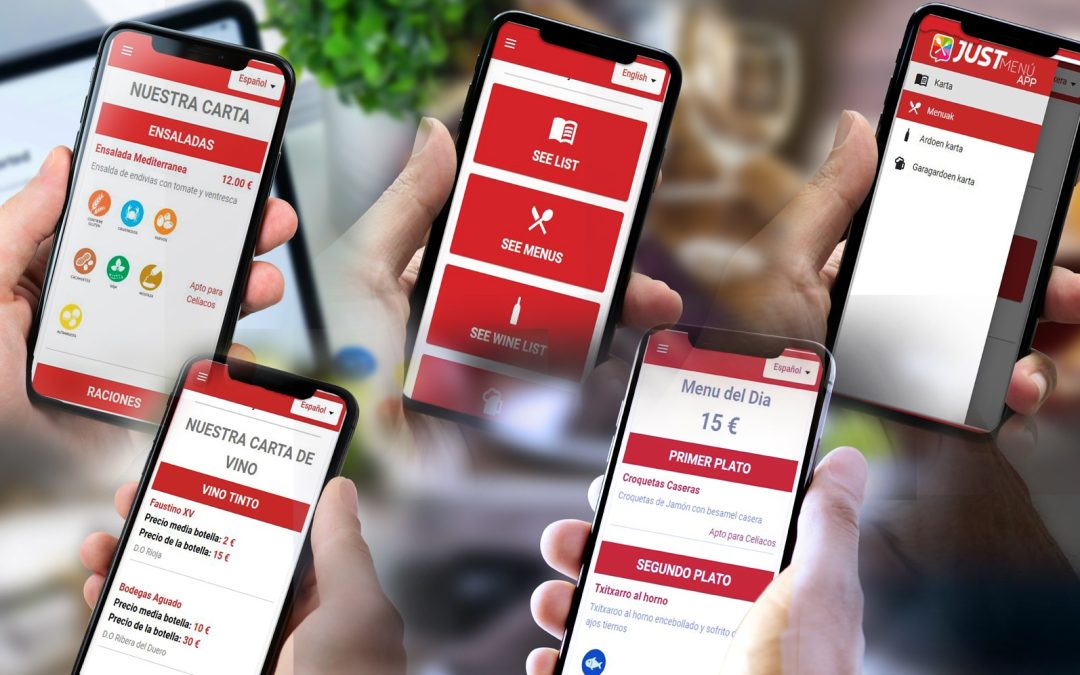
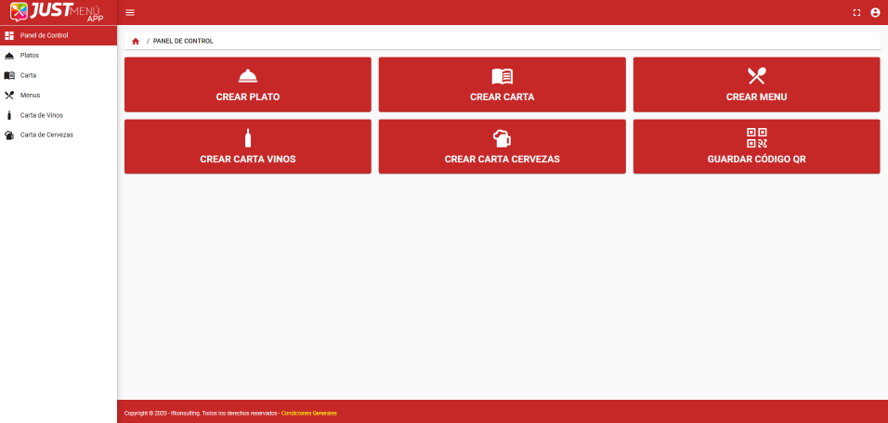
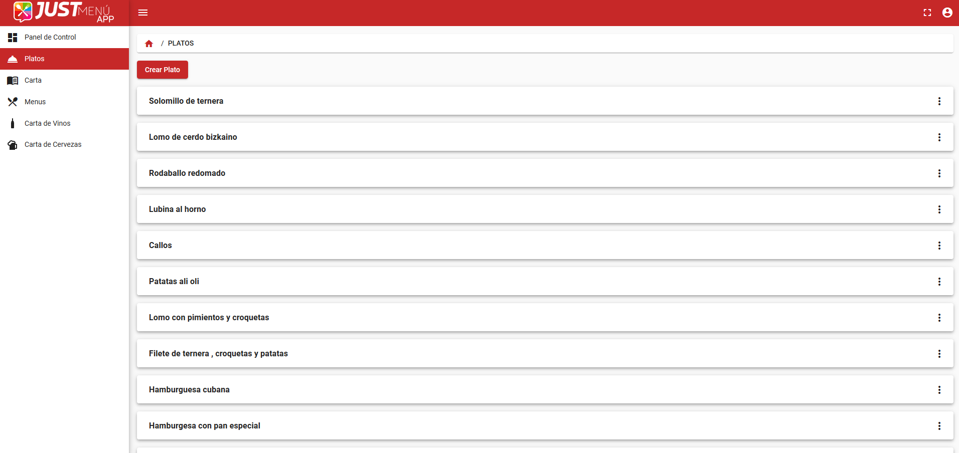
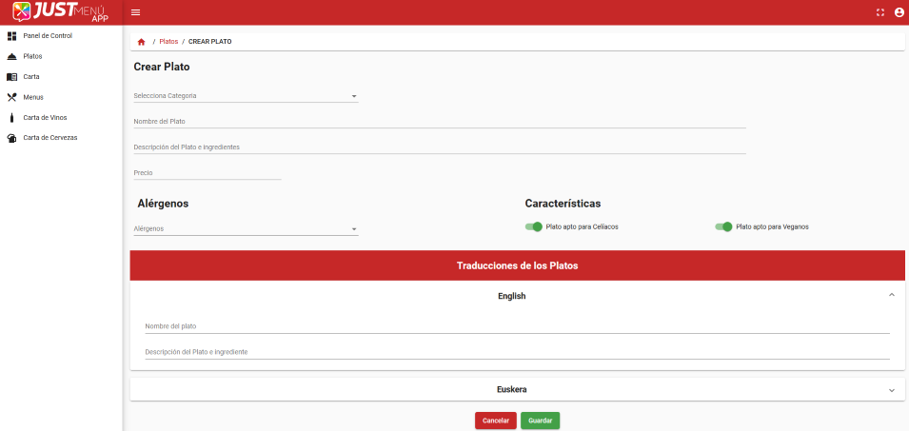
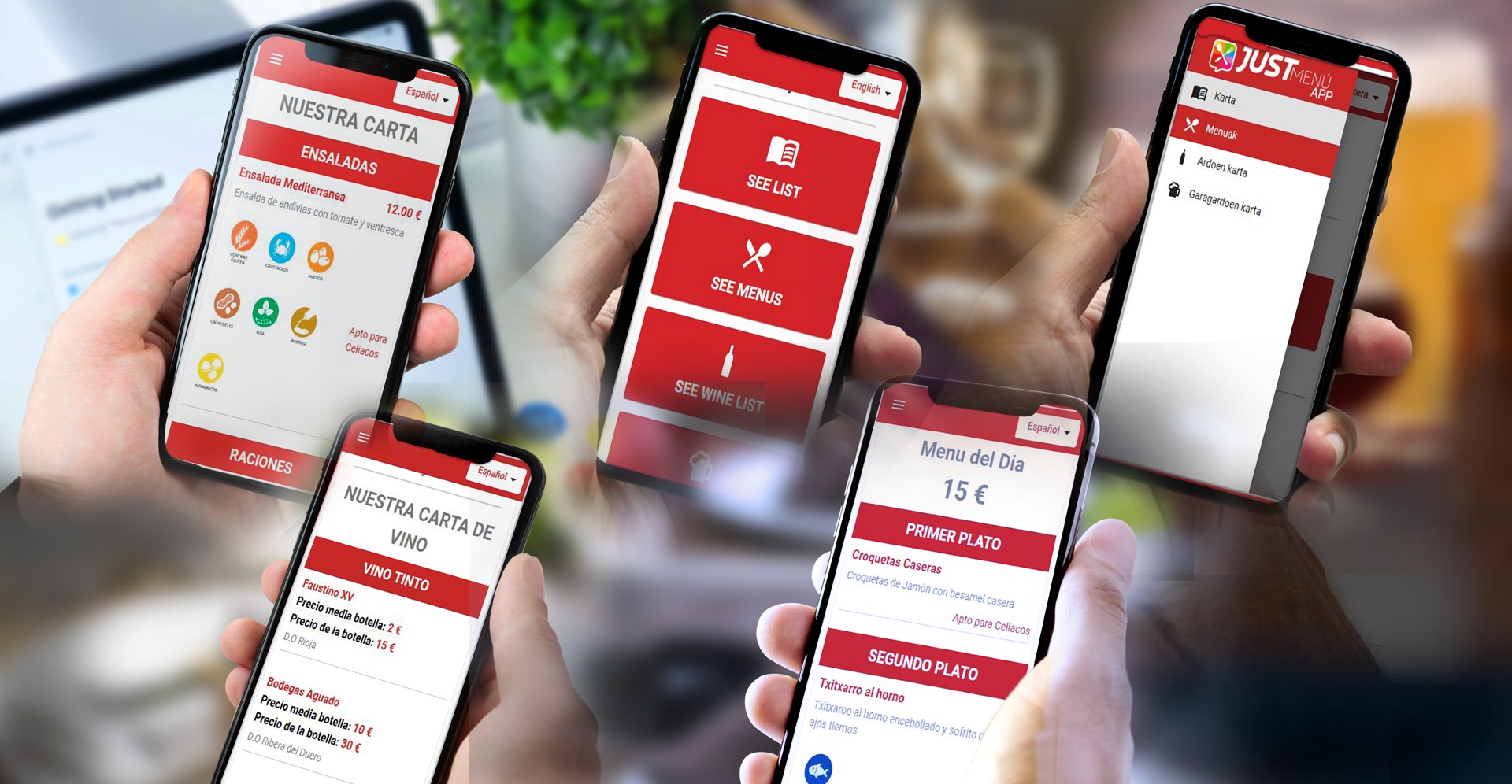
This tool allows restaurants to manage their menus, dishes, and cards in real-time in different languages. Each dish can be created by an administrator with existing allergens and its characteristics (suitable for celiacs, vegans). 

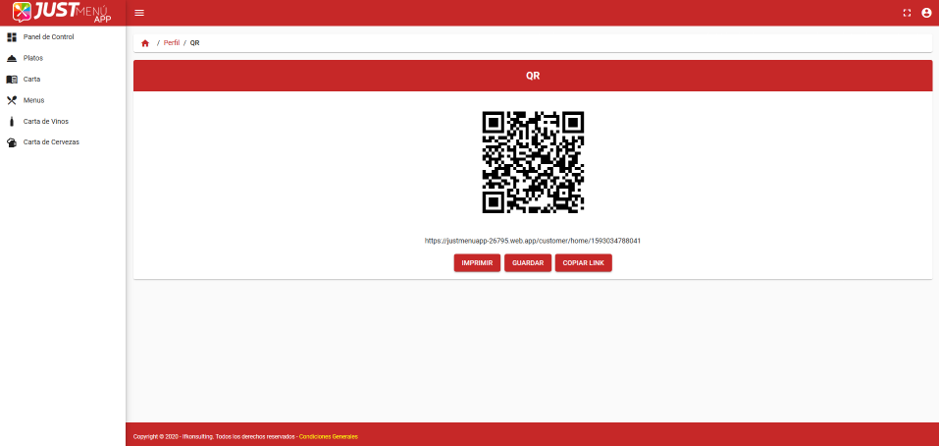
The guest scans the QR code from their mobile device and accesses the information with the establishment’s gastronomic offer. Each dish is associated with allergen symbols and has filters that allow them to view dishes for celiacs and vegans.

Why learning ability is more valuable than previous knowledge in talent search

Why learning ability is more valuable than previous knowledge in talent search

In an era where technology is advancing rapidly, the job market is constantly transforming, and business competition is intensifying more and more, it is essential to have a versatile and adaptable team to achieve success. For this reason, it is important to consider that although technical knowledge is essential, the ability to learn and adapt to new situations is fundamental in a candidate.

The search for qualified talent has become increasingly challenging in some sectors, particularly those that require previous experience, certifications, or specific technical skills. Often, this means that employers must choose between candidates with previous skills and knowledge and those who demonstrate a greater ability to learn quickly on the job.

In this context, it is essential to ask ourselves: What is the best option for your company in the long term? Is it preferable to select the candidate who has all the necessary knowledge for the position or the one who has the ability to learn and adapt to new situations?

Often, the answer to this question lies in the candidate’s ability to learn and adapt. Because although a candidate with technical knowledge can be a great addition to a particular position, it does not necessarily mean that they have the ability to adapt to changes that may arise in the future. A candidate with a learning mindset and curiosity to know new things can demonstrate greater capacity for adaptation, innovation, and creativity in the long term.

Therefore, companies should focus on finding candidates who are willing to learn and have the ability to adapt to new challenges. This can be a challenge in some areas, especially in sectors where specific technical skills and experience are required. However, to overcome this obstacle, companies can implement training and development programs, both internal and external, to help employees develop the required technical skills and competencies, while fostering a culture of continuous learning.

In summary, the ability to learn and adapt is crucial for candidates seeking to enter a company. It is important for managers and HR leaders to consider this ability not only when selecting new employees but also when developing career plans and internal training to help employees grow and adapt to changes in the company and the job market.

Ultimately, having an agile and adaptable team is essential for the success and survival of any company in the current market. By fostering a culture of continuous learning and adaptation, companies can create an innovative culture, increase productivity, and develop a highly effective team.